
If you’re planning to settle abroad, you’ve probably come across two common terms – Permanent Residency (PR) and Citizenship. At first glance, they may look similar. Both allow you to live in a country long-term. But when you look closer, there are important differences in rights, benefits, and long-term security.
What Is Permanent Residency (PR)?
Permanent Residency allows a foreign national to live, work, and study in a country indefinitely. It is not the same as being a citizen, but it offers many similar benefits.
For example, countries like Canada, Australia, and Germany offer PR status to skilled workers, investors, students, and family members of residents.
Key Features of PR:
- You can live and work in the country legally.
- You may access public healthcare and education.
- You can sponsor certain family members.
- You must renew your PR card or maintain residency conditions.
- You cannot vote in national elections.
- You travel with your original passport.
PR status often comes with residency obligations. For example, you may need to stay in the country for a specific number of days within a certain period to keep your status active.
What Is Citizenship?
Citizenship is full legal membership in a country. It gives you complete political and legal rights, along with stronger security and protection.
Many countries allow permanent residents to apply for citizenship after meeting certain conditions such as residency period, language ability, and knowledge of the country’s laws and culture.
For example, a PR holder in Canada can usually apply for citizenship after meeting residency requirements and passing a citizenship test.
Key Features of Citizenship:
- You can vote in elections.
- You can apply for a passport of that country.
- You cannot usually be deported.
- Your children automatically become citizens (in most cases).
- You can run for public office (depending on country rules).
Citizenship offers stronger long-term security compared to PR.
PR vs Citizenship: Major Differences
Here’s a clear comparison:
-
Political Rights
PR holders cannot vote or contest elections. Citizens can vote and participate fully in the political system.
-
Passport and Travel
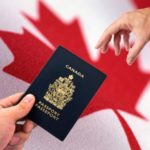
PR holders use their home country passport. Citizens receive a passport from the country they belong to. For example, a citizen of Australia holds an Australian passport, which may offer visa-free travel to many countries.
-
Risk of Losing Status
PR can be revoked if residency rules are not met or if serious laws are broken. Citizenship is much more secure and harder to lose.
-
Government Jobs
Certain government or defense jobs are restricted to citizens only.
-
Deportation
PR holders can be deported in serious legal cases. Citizens are generally protected from deportation.
-
Dual Status
Some countries allow dual citizenship, while others do not. Before applying for citizenship, it’s important to check whether your home country allows you to hold two nationalities.
Benefits of PR
PR is often the first major step toward settling permanently. It provides:
- Access to public healthcare
- Education benefits
- Work freedom (no employer restriction)
- Pathway to citizenship
- Social security benefits (in many cases)
For many migrants, PR is enough if they want flexibility or are not ready to change their nationality.
Benefits of Citizenship
Citizenship provides:
- Full legal protection
- Stronger global mobility (depending on passport strength)
- Political participation
- No need to renew status
- Automatic citizenship for future children (in many cases)
It offers long-term peace of mind and complete integration into the country.
Which One Should You Choose?
The right choice depends on your goals.
- If you want stability but prefer keeping your original nationality, PR may be suitable.
- If you want full rights, political participation, and long-term security, citizenship is the better option.
- If your country does not allow dual citizenship, you need to carefully consider your decision before applying.
Many immigrants first obtain PR and later decide whether citizenship aligns with their long-term plans.
Final Thoughts
PR and citizenship both offer valuable opportunities, but they are not the same. PR gives you the right to stay and build your life in a country. Citizenship gives you full belonging and political voice.
Before making a decision, understand the rules of the country you’re moving to and evaluate your personal, professional, and family goals. A well-informed choice today can shape your future for decades.
Planning your migration journey? Book a free consultation now and explore the best pathway for permanent residency or citizenship.
- Email: info@immigrationxperts.com
- Call us: +91-9999467686, +91-8447-696555