Australia’s Social Media Age Ban Takes Effect: What It Means for Kids and Parents
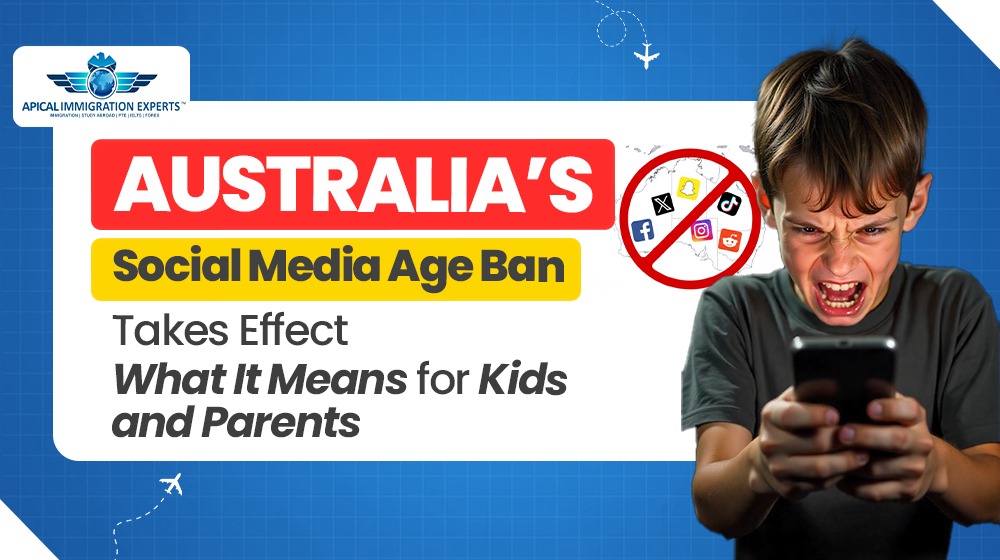
Australia’s new social media age laws officially kick in today, setting a legal minimum age of 16 for major platforms. The federal government says the move is aimed at reducing cyberbullying, exposure to self-harm content and other online risks affecting young people.
What the New Law Requires
Under the new rules, platforms such as TikTok, Instagram, Snapchat, Facebook, YouTube, Reddit and X must now:- Take reasonable steps to verify users’ ages
- Block or remove accounts belonging to children under 16
- Use approved age-assurance tools, such as ID checks or third-party age estimation
- Face significant civil penalties if they fail to comply
Impact on Children and Teens
The biggest change young people will notice is that:- Existing accounts may be locked or shut down
- New sign-ups will require actual proof of age, not just ticking a box
What Parents Should Expect
For families, the law shifts the default. Instead of constant debates about whether a child is “old enough,” there’s now a clear legal boundary at 16. During the transition phase, parents may find it helpful to:- Talk to their children early about which accounts they might lose
- Offer safer alternatives such as supervised group chats or family devices
- Watch for emotional reactions if kids feel disconnected from friends
- Monitor any sudden move to lesser-known apps or platforms
Privacy Concerns Remain
To enforce the age limit, platforms will inevitably handle more user data. The government says approved age-assurance providers will be required to minimise data use and protect privacy, but digital-rights groups warn that any broad verification system brings risks of misuse or data breaches.Will the Ban Work?
Child-safety advocates have praised the laws as a necessary step to shield kids from harmful content. Others caution that removing teens from mainstream platforms doesn’t address deeper mental-health challenges, and may cut them off from helpful communities or support services.
What’s clear is that Australia has taken a firm stance while many countries are still debating. How effective the ban becomes will depend on strict platform enforcement, careful handling of age-check data, and strong support for young people as they adjust to a major change in their online life.
Stay updated on major policy changes—follow us for the latest news.
We bring you clear, reliable updates that matter to families and young people. Follow us for timely insights, expert guidance, and important changes you shouldn’t miss. Your journey is easier when you stay informed.- Email: info@immigrationxperts.com
- Call us: +91-9999467686, +91-8447-696555